
Narrow Lot Home Designs Perth: How to Maximise Space

Key Takeaways
- Build up, not out: Double storey homes can create more living space without increasing the home’s ground-level footprint.
- Make natural light a priority: Well-positioned windows, courtyards and double-height voids can help narrow homes feel brighter and more spacious.
- Choose a functional floorplan: Open-plan living, thoughtful room placement and practical circulation reduce wasted space.
- Use every space wisely: Built-in cabinetry, under-stair storage and multipurpose rooms help keep a narrow home organised.
- Connect indoors and outdoors: Courtyards and alfresco areas can extend your living space and create a stronger connection to the outdoors.
- Design around your block: The best narrow lot home designs respond to your land’s orientation, dimensions, planning requirements and your family’s needs.
Building on a narrow block doesn’t mean compromising on the home you’ve always wanted. With the right design, even a smaller piece of land can accommodate generous living areas, comfortable bedrooms, clever storage and inviting outdoor spaces.
Across Perth, narrow blocks present an opportunity to think differently about how a home is designed. Rather than simply fitting a standard floorplan onto a smaller site, thoughtful planning can make every square metre work harder while creating a home that feels open, functional and tailored to your lifestyle.
Whether you’re a first home buyer, planning a new home for a growing family or upgrading to a more considered living space, the key is finding the right balance between the block, your budget and the way you want to live.
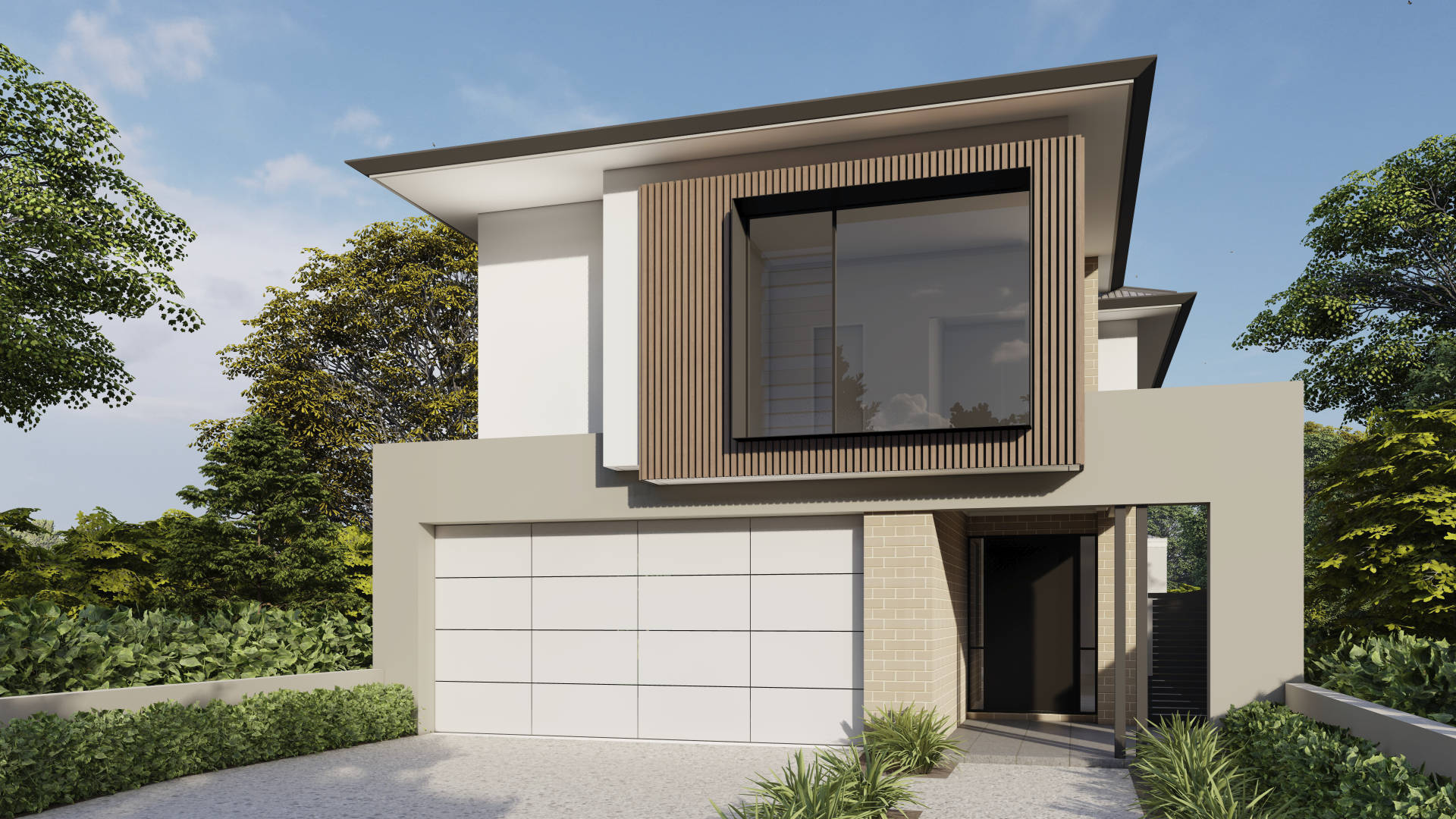
1. Make the most of a double storey design
One of the most effective ways to maximise a narrow block is to build upwards. Double storey designs allow you to increase your home’s overall living area without extending its footprint across the land.
This creates more flexibility when planning the ground floor and upper level. Living, dining and kitchen areas can be positioned downstairs, alongside an alfresco area, while bedrooms, bathrooms and a retreat can be located upstairs. Depending on your lifestyle, you might also include a home theatre, study or additional living space.
Separating shared and private areas can help improve privacy and noise control, particularly for families with children or people who work from home.
A double storey home isn’t automatically the right choice for every property, however. Stair access, construction costs, block dimensions and your long-term needs all need to be considered. The goal is to create a floorplan that makes the most of the available space without adding features you don’t need.
2. Bring natural light into the home
Narrow homes can feel enclosed when natural light is limited or windows are poorly positioned. Getting the orientation and glazing right from the beginning can make a significant difference to how each room feels.
In Perth, north-facing windows can help capture the winter sun, while appropriate shading helps manage heat during warmer months. The best approach depends on your block’s orientation, neighbouring properties and the location of your living areas.
Consider incorporating:
- Large windows where privacy and solar conditions allow.
- High-level windows to introduce light without creating direct views into neighbouring homes.
- Skylights where the roof design and room layout make them suitable.
- Glazed doors connecting indoor living areas with courtyards or alfresco spaces.
- Double-height voids that allow light to travel between levels and create a greater sense of volume.
Carefully planned glazing can help create a bright, welcoming home while balancing privacy, energy efficiency and comfort.
3. Consider a central courtyard
A central courtyard can transform the feel of a narrow lot home. Rather than having a long floorplan with rooms running from front to back, an internal courtyard can break up the layout and create a visual connection to the outdoors.
Depending on its position, a courtyard can introduce natural light and ventilation into adjoining rooms while providing a private space for planting, seating or quiet relaxation.
It can also help connect different parts of the home. A kitchen, dining area or hallway overlooking greenery may feel more open than the same space enclosed by walls.
The design needs to be carefully considered, including drainage, weather protection, privacy and how the courtyard will be used. Even a relatively compact outdoor area can add value to the overall living experience when it is integrated into the floorplan from the beginning.
4. Create open-plan living areas
An efficient floorplan is essential when working with limited width. Open-plan living can help a narrow home feel more spacious by reducing unnecessary internal walls and allowing the kitchen, dining and living areas to flow together.
Positioning these spaces towards the rear of the home can create a natural connection to the garden or alfresco area. Wide sliding doors can strengthen this connection and make the outdoor space feel like an extension of the main living area.
The kitchen layout is particularly important. An island bench can provide preparation space, additional storage and an informal place to gather, while a well-planned butler’s pantry or scullery can keep appliances and everyday clutter out of sight.
Rather than simply making every room smaller, the aim is to prioritise the spaces where your family spends the most time. A well-proportioned living area, functional kitchen and comfortable dining space can make a much greater difference than adding square metres without a clear purpose.
5. Make storage part of the design
Storage is often overlooked when choosing home designs, but it becomes especially important on narrow blocks. Without enough dedicated storage, everyday items can quickly clutter living areas and make rooms feel smaller.
Built-in solutions can help keep the home organised without taking up valuable floor space. Consider incorporating:
- Under-stair cupboards or drawers in double storey homes.
- Full-height wardrobes and linen cupboards.
- Wall-mounted cabinetry that makes use of vertical space.
- Kitchen drawers, integrated appliance storage and a dedicated pantry.
- Built-in storage in study areas, bedrooms and living rooms.
- A practical laundry layout with cupboards for cleaning products and household essentials.
The best storage solutions are planned alongside the floorplan rather than added as an afterthought. This allows cabinetry, door openings and furniture placement to work together, keeping the home functional without sacrificing its sense of space.
6. Choose rooms that can adapt over time
A narrow lot home still needs to accommodate the changing needs of its occupants. For growing Perth families, a spare room may eventually become a study, a playroom or a retreat for teenagers. For homeowners working remotely, a dedicated office may be more useful than an additional formal living area.
Multipurpose rooms allow a home to evolve without requiring a major renovation. A study could double as a guest room, for example, while a separate upstairs retreat gives family members somewhere to relax away from the main living area.
When planning your bedrooms and other rooms, consider furniture placement, natural light, access and how much privacy each space needs.
It is also worth thinking beyond your immediate needs. A floorplan that works for your family today should ideally remain practical as your lifestyle changes, helping you get more from the property over the long term.
7. Make outdoor living count
A smaller block doesn’t mean giving up on outdoor entertaining. The key is to make the available outdoor space feel connected to the home and purposeful.
An alfresco area positioned beside the kitchen or dining room can provide a natural setting for family meals and entertaining. Sliding doors help establish a seamless transition between the two spaces, while consistent flooring tones or complementary finishes can strengthen the visual connection.
Depending on the block and your priorities, you could consider a compact outdoor kitchen, built-in seating, vertical gardens or carefully selected landscaping.
Privacy is another important consideration, particularly when neighbouring homes are close by. Screens, planting and considered window placement can help create a more secluded outdoor area without making it feel closed in.
A well-designed alfresco area can make a modest outdoor footprint feel generous and give your family another space to enjoy throughout the year.
8. Explore boundary-to-boundary design opportunities
On some narrow blocks, building closer to the side boundaries can create opportunities to make better use of the available width. Depending on the property’s dimensions and applicable planning requirements, this may allow for a more efficient floorplan and a stronger street presence.
Boundary setbacks, fire separation, access, ventilation and overlooking requirements all need to be considered. Building from boundary to boundary is not suitable for every property, so the design must respond to the specific site and relevant approvals.
The front façade also plays an important role. Carefully proportioned windows, varied materials, vertical elements and a well-considered entry can give the home character without making it appear overly imposing.
Where a rear laneway provides suitable access, a laneway garage may also be worth exploring. This can change how the front of the home is presented and reduce the prominence of the garage door, depending on the property’s layout.
These decisions demonstrate why narrow lot home designs benefit from innovative thinking rather than a standard plan with a few dimensions adjusted.
9. Plan the kitchen and circulation carefully
In a narrow home, the way people move between rooms matters just as much as the size of the rooms themselves. Long hallways, awkward door swings and poorly positioned furniture can consume space without adding much practical value.
A considered floorplan minimises unnecessary circulation areas while maintaining comfortable access between the kitchen, dining room, living area and bedrooms.
The kitchen deserves particular attention because it often acts as the centre of the home. A well-positioned island, efficient work zones and a concealed scullery can provide functionality without making the main living area feel crowded.
Door placement also matters. Sliding or cavity doors may be useful in selected areas where a conventional hinged door would interfere with furniture or circulation, provided they suit the room and comply with relevant requirements.
Every decision should serve a purpose. The aim is not to squeeze as many rooms as possible into the available square metres, but to create spaces that feel natural and work well together.
10. Tailor the design to your block, budget and lifestyle
Ultimately, the right narrow lot home design starts with understanding the land. Frontage, depth, orientation, slope, neighbouring buildings, access and planning restrictions can all influence what is achievable.
Your budget is equally important. Features such as double-height voids, extensive glazing, custom cabinetry and complex structural elements can contribute to a beautiful result, but they need to be weighed against your priorities and the overall cost of the build.
Working with an experienced builder and design team early in the process can help identify opportunities and potential constraints before the floorplan is finalised. This is particularly valuable when choosing between single and double storey designs, deciding which features matter most and determining how much space to allocate to bedrooms, bathrooms and living areas.
For inspiration, explore The Madison Luxury Residential Development, which demonstrates how thoughtful planning can deliver generous living areas, practical storage, natural light and indoor-outdoor connection on a narrow lot.
With the right expertise and a considered approach, a narrow block can become the foundation for a home that feels spacious, comfortable and genuinely suited to the way you live.
Make the Most of Your Narrow Lot with Atrium Group WA
Choosing the right home design is an important step towards creating a home that suits your family, your land and your lifestyle. At Atrium Group WA, our team can help you explore the possibilities, understand the opportunities your block presents and develop a design tailored to your needs.
Whether you’re building your first home or planning an upgrade, we can help you work towards a home that makes every square metre count.
Contact our team or call 6310 8888 to discuss your plans and take the next step towards your dream home.


